How many seasons are there in Nepal?
The seasons in Nepal are the "Ritus." There are six: Basanta Ritu (spring), Grishma Ritu (early summer), Barkha Ritu (summer monsoon season), Sharad Ritu (early autumn), Hemanta Ritu (late autumn), and Shishir Ritu (winter), but as per English seasons, there are four main seasons: spring, summer (monsoon), autumn, and winter, and due to Nepal’s varied geography from lowland jungles to high-altitude mountains, each region experiences these differently.
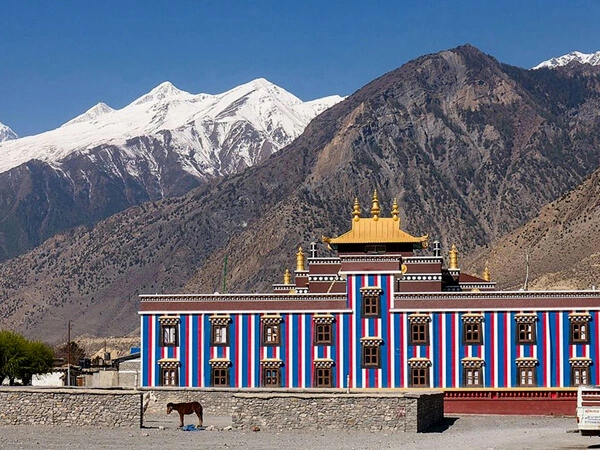
Even in the months of monsoon seasons known for frequent rainfall throughout the country, including most of the high-altitude trekking and climbing regions, popular like the Everest Base Camp Trek (EBC), Annapurna Base Camp Trek (ABC), and the Langtang Valley Trek, there are also the parts of the countries where it rarely rains, the trans-Himalayan rain shadow areas such as Upper Mustang, Upper Dolpo, and Manaslu, a paradise year-round trip for a reason.
Traveling to Nepal in the spring
Spring seasons in Nepal typically span from March to May. With the melting of snow from the Himalayas, the blooming comes to light. Most of the hilly and lower Himalayan regions feature the fresh bloom of bursting rhododendrons in hues of pink, red, and white, along with other wildflowers. The temperature begins to get warmer even at higher altitudes than in winter, followed by clear mornings, roaring rivers, and stable weather conditions.
It is why spring is taken as one of the best times to hike in Nepal, the best time to go trekking in Nepal, whether it's a one-day hike to the Shivapuri Peak near the Kathmandu Valley, a short trek to Ghorepani Poon Hill, or multi-day high-altitude treks like the ABC Trek or EBC Trek, or peak climbing like Mera Peak Climbing, Island Peak Climbing, or even attempting the Everest Expedition and Manaslu Expedition.
Why does the spring shine for hiking in Nepal?
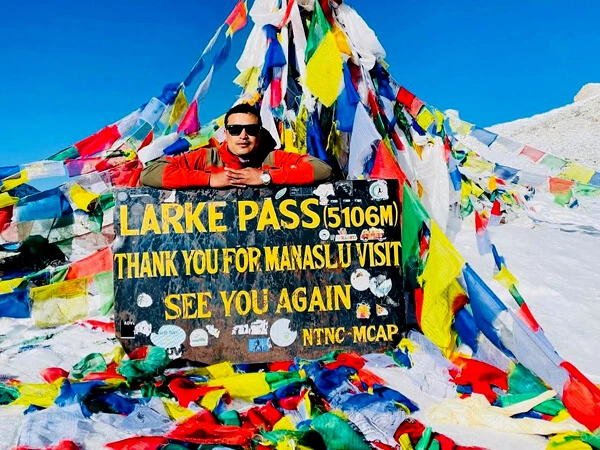
As mentioned above, spring is characterized by favorable Himalayan weather, which, most of the time, is known for being notoriously unpredictable in the Himalayas. Pre-monsoon season, after winter, the chances of both rain and snowfall are extremely low, resulting in the safest trekking and climbing trails, including the crossing of high mountain passes like Thorong La Pass (5,416 m), Larke La (5,106 m), and Cho La Pass (5,420 m).
You will find teahouses along the trekking routes fully operational with adventurers from escapes across the world sharing the passion for adventure, Himalayan culture, nature escapes, and close-up views of some of the highest peaks of the world in Nepal. It is the best time to go trekking in Nepal for nature photographers and those who wish to embrace the Himalayan surroundings and nature in its finest form, with increased chances of wildlife spotting.
Who may not prefer trekking in Nepal in spring?
While the spring is an ideal time for treks and hikes in Nepal for many, as most of the trekking trails often get significantly crowded, it may not be the best choice for trekkers seeking solitude. For wellness-focused individuals who prefer quieter and more meditative mountain ambiences, you may find the social buzz in spring distracting. Likewise, during peak trekking season, lodges are often pre-booked, and it may cost you slightly more for meals, lodges, and other amenities.
Therefore, for budget trekkers and travelers, if you are not joining the group, other seasons such as summer and winter might be a better fit. Similarly, though the mornings are clear, afternoons can be cloudy due to pre-monsoon heat in the lower elevation,s and also experience some precipitation, requiring an extra step of preparation. In the meantime, for individuals with allergies to pollen or who are sensitive to it, other seasons can be a better alternative.
Nepal Trekking and Hiking in Summer
Summer seasons in Nepal also typically span three months: June, July, and August. Though most of the landscapes at this time are lush green, as it is also the monsoon season and brings heavy rainfall, it is regarded as one of the off-seasons for high-altitude trekking and climbing journeys in Nepal. May not be exactly the best time of year to trek in Nepal. These times of the year are when the risks of floods and landslides are higher.
So are the flight delays and cancellations in remote areas. The visibility is low. At 3,000 m above sea level, trekkers can also come across leeches. Journeying to the Himalayas of Nepal in this season requires an extra step of packing and preparation compared to trekking in Nepal in the prime seasons of spring and autumn. You may love the serene trails with fewer tourists, but it is important that you are aware of the seasonal challenges and prepare accordingly.
How to tackle summer trekking journeys in Nepal?
High Himalayan trekking in Nepal is highly preferred by those who are seeking solitude and greenery. Considered as off-time to visit Nepal for treks and climbs, if prepared well, this season still has its charm. First things first, separate 2-3 buffer days in case flights are delayed or canceled. Make sure the Nepal trek itinerary, whether to the Everest Base Camp, Annapurna Base Camp, or others, allows ample acclimatization.
Pack rain gear such as ponchos, raincoats, and waterproof jackets. Other essentials are insect repellent, water purification tablets, and a basic first aid kit. Choose trekking in the rain shadow areas so the challenges are lesser, and the best of all is to purchase a comprehensive trekking package from trustworthy trekking agencies such as Foot On the Himalayas, or at least hire a local guide who keeps you weather updated and also shares safety tips.
What does Nepal trekking in November look like?
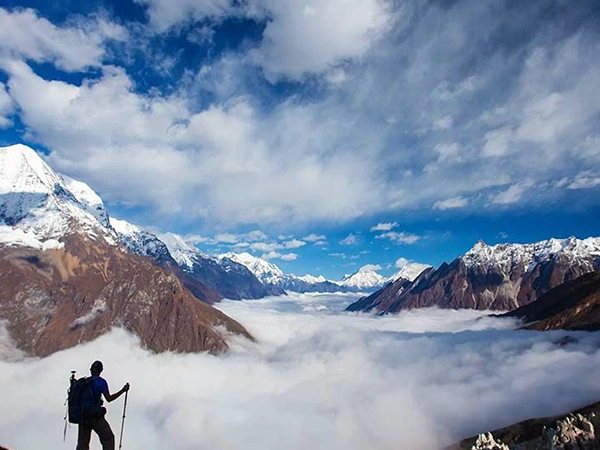
November is one of the months of the autumn season in Nepal, which lasts from September to November. Post-monsoon seasons, these months feature the clearest skies, longer daylight, and most importantly, the stable Himalayan weather. See the Himalayas in high definition with the sharpest views of Everest, Annapurna, and Manaslu, based on where you have chosen to trek to; the crisper air adds a thrill to trekking in Nepal in November.
Mild temperature, neither too hot nor too cold, with lesser chances of both rain and snow, often dipped in the festive vibes; no wonder it comes second to none as the best time to trek in Nepal. The humidity is low as the monsoon clears the dust from the air; visibility is unparalleled, with bluish skies from start to end, resulting in the safest trekking trail conditions. The months of September, October, and November are, hence, the best months to trek in Nepal.
Which festivals of Nepal do autumn coincide with?
From a cultural immersion perspective, Nepal is the most beautiful in autumn. This trekking season in Nepal coincides with some of the major festivals celebrated throughout the country: Dashain and Tihar, along with Janai Purnima in the Langtang Himalayas, especially at Gosaikunda Lake. Dashain is the celebration of the victory of the goddess Durga over the demon king Mahishasura and lord Rama’s over Ravana.
I.e., of good over evil. Family gathers together, flies and plays kites together, and plays bamboo swings (ping), and the best of all, the younger ones receive “Tika” and "Jamara," a sign of blessing from elders. Likewise, Tihar is the festival of lights. This festival mainly honors Yama (God of Death) and Lakshmi (Goddess of wealth), and also brother-sister relationships, as they do “Bhai Tika." While in Janai Purnima, the lake water is said to be blessed by divine powers.
Are there any cons of hiking in Nepal in autumn?
Yes, if you are not fond of crowded trails but desire a soulful Himalayan escape with nothing in between you and the Himalayas, its pristine presence, and authentic culture, even autumn, taken as the best time to hike in Nepal, this can be a major drawback. During this time, thousands of trekkers flock to the Everest and Annapurna regions, some even to the Langtang Himalayas, and the moment of peace you were keen on might get disrupted.
Like in spring, the prices for flights, accommodation, meals, and other logistics, including the available amenities, might hike, and if not booked earlier, even if ready to spend some extra bucks, you may not be able to find the one that suits you the best. This, in addition to inherently demanding high-altitude treks and hikes, can be a hectic experience for anyone, especially beginners journeying in Nepal for the very first time.
Is winter trekking in Nepal possible?
Of course. While high-altitude climbing and expeditions in Nepal, such as Baruntse Peak climbing, Himlung Himal climbing, Everest expeditions, and Manaslu expeditions, are not recommended to attempt in winter seasons in the months of December, January, and February, mid-altitude treks and climbs are manageable. What makes it not the best time of year to trek in Nepal is the extreme cold in the high Himalayas, below the freezing point.
High mountain passes such as Thorong La Pass and Larke La Pass often get covered in a thick layer of snow, as do trails. This means teahouse and trekking routes can be closed and blocked; however, the lowlands are still doable without over-crowds, while most of the teahouses and trekking agencies also offer discounted prices. Hence, it is the best time of year to hike in Nepal, offering solitude amid frosted peaks and landscapes under budget.
Where to get trekking gear and equipment for winter hiking in Nepal?
The key to winter trekking in Nepal is clothing in layers, and if your Himalayan adventure includes several days of hiking at 5,000 m above sea level, high mountain passes, or reaching the summit point of mountain peaks, the right trekking and climbing gear is non-negotiable. High-quality broken-in trekking boots, trekking poles, and first aid kits are basics, essentials even in the best time to go hiking in Nepal and the best months to trek in Nepal.
But in winter, in addition to this, you may have to pack extra water and a windproof jacket and pants as an outer shell, along with insulated mid-layers (fleece jacket or hoodie). To withstand cold at high altitude, especially at night, sleeping bags are another must to include, as could be microspikes and crampons. You may choose to carry these all the way from your home country, or choose to visit and buy or rent from the vibrant tourist town of Thamel.
Conclusion
Ultimately, the best time to travel to Nepal greatly depends on your core area of interests, goals, and how you want that experience to be. If you are a beginner and want the best from what the hills and Himalayas have to offer with the safest trekking trail conditions, pleasing nature, and mild temperatures, autumn (September to November) and spring (March to May) remain the unrivaled best times to trek in Nepal, including for the years 2026 and 2027.
While visiting ancient temples in Kathmandu, the serene city of lakes in Pokhara, and the jungle safari in the Chitwan National Park are enjoyable throughout the years, and if ready for some push and pull, seasoned trekkers, budget travelers, and those seeking an intimate, exclusive Himalayan holiday experience may find summer and winter intriguing, which we can arrange for you. Contact us now and get a handpicked itinerary, ensuring you a personalized experience.